




Does Toilet Plume Really Affect Toothbrushes?
If you’ve ever wondered whether flushing a toilet can send invisible particles toward your toothbrush, you’re not imagining the question. It comes up often and it’s worth addressing clearly, without exaggeration or alarm.
The short answer is that toilet plume exists. The more useful question is what that actually means in everyday bathrooms, and which factors meaningfully influence toothbrush hygiene over time.
What “toilet plume” actually refers to
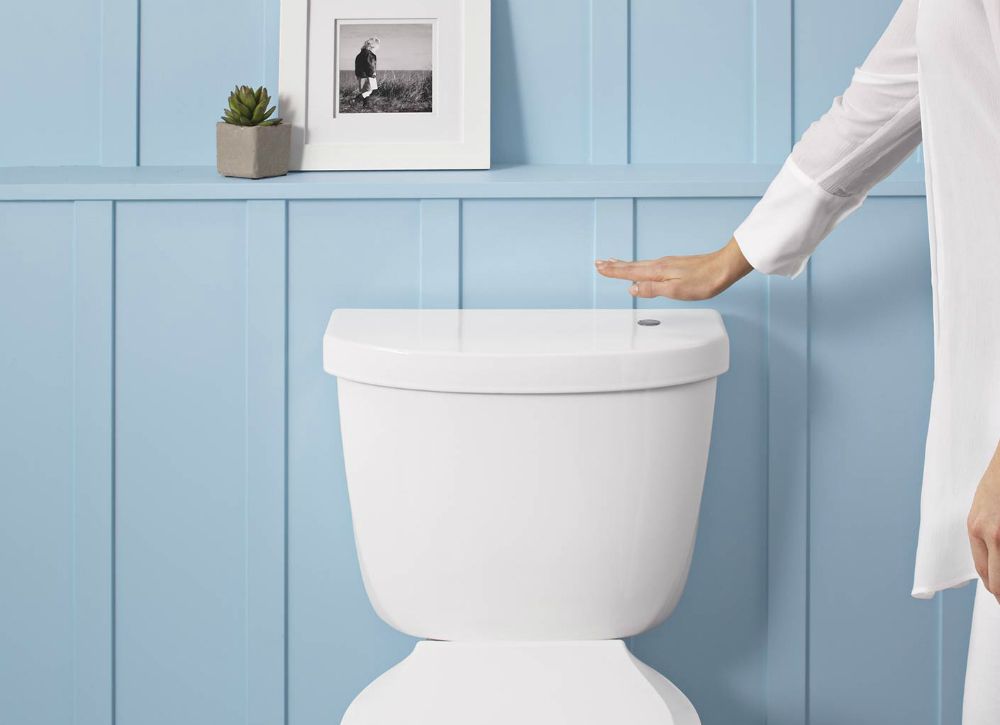
When a toilet flushes, turbulent water movement creates small droplets that become briefly airborne. This phenomenon, often called toilet plume or aerosol dispersal, has been observed in controlled studies.
Larger droplets tend to settle quickly onto nearby surfaces. Smaller particles can remain suspended slightly longer before settling. This isn’t unique to toilets; similar spray effects occur around sinks, showers, and drains. Bathrooms are simply enclosed spaces where multiple sources of moisture and airflow intersect.
Online discussions often frame this in dramatic terms, but the underlying mechanism is ordinary: moving water creates spray.
Putting exposure in proper context
Everyday environments are not sterile. Toothbrushes, like most personal care items, exist in shared airspaces and come into contact with ambient particles over time. Hygiene guidance is therefore less about eliminating exposure entirely and more about reducing conditions that allow moisture and residue to linger.
The presence of airborne particles alone is not the primary concern. What matters more is whether a toothbrush remains damp afterward, and whether its storage environment allows moisture to escape efficiently.
What actually influences toothbrush hygiene
If you want to make practical, proportionate improvements, a few factors consistently matter more than others.
Distance and placement
Storing a toothbrush farther from the toilet reduces the amount of settling material that might reach it. Even modest separation, across the vanity, inside a cabinet, or away from direct flush proximity, helps.
Drying conditions
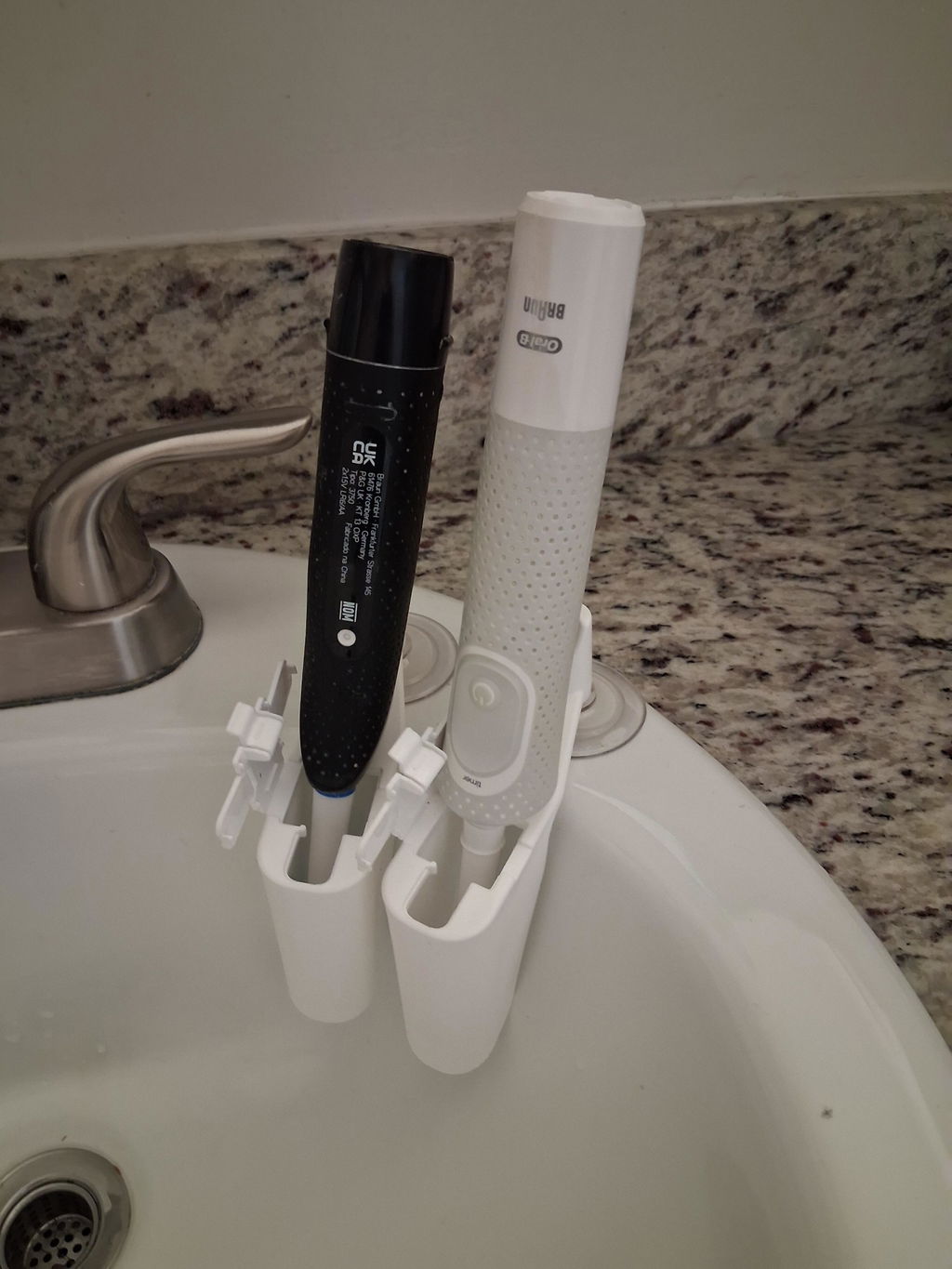
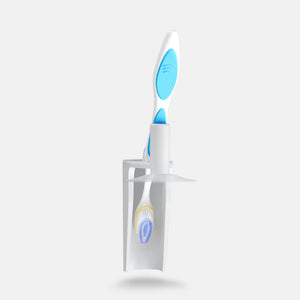
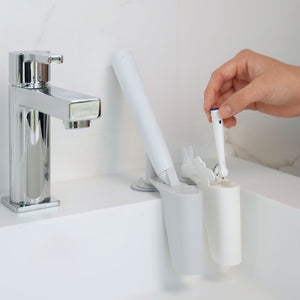
A toothbrush that dries fully between uses is less likely to support residue buildup than one that stays damp. Storage designs that allow water to drain away and air to circulate freely support faster, more consistent drying. Designs that trap moisture, whether through enclosure, pooled water, or poor drainage, work against that goal.
Time and replacement
Regular toothbrush replacement matters more than most single exposure events. Worn bristles and extended use contribute more to hygiene decline than any one flush.
Simple habits
Closing the toilet lid before flushing can reduce nearby surface settling. It’s a reasonable, low-effort step, not a requirement.
None of these require constant vigilance. They’re about reducing friction, not managing risk minute by minute.
Possible vs. probable outcomes
Laboratory studies demonstrate what can happen under specific conditions. Real bathrooms vary widely in layout, ventilation, usage patterns, and cleaning routines. What’s possible in a test environment doesn’t automatically translate to meaningful impact in every home.
That’s why most practical guidance focuses on design and drying, not on chasing complete control over airborne particles.
A more grounded way to think about it
Toothbrush hygiene works best when decisions are proportional. The goal isn’t sterility, it’s reducing unnecessary moisture and avoiding storage conditions that quietly work against drying.
Storage choices that prioritize airflow, drainage, and exposure consistency do more to support hygiene than worrying about any single source of particles. Once moisture is managed well, many secondary concerns become far less consequential.
Understanding that distinction makes it easier to evaluate storage setups calmly, and to recognize when design is helping, and when it’s simply holding a brush in place.
Related reading in the Hygiene Proof Hub: