





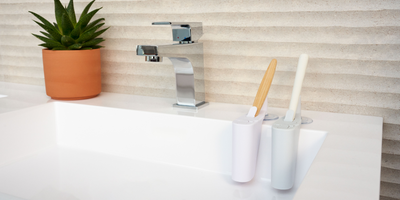
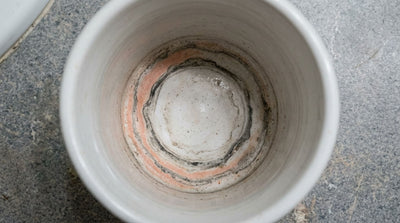
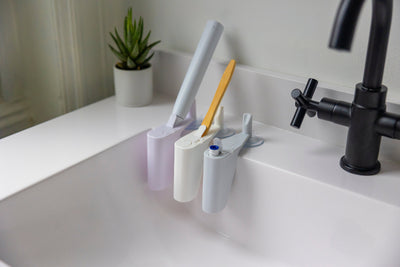
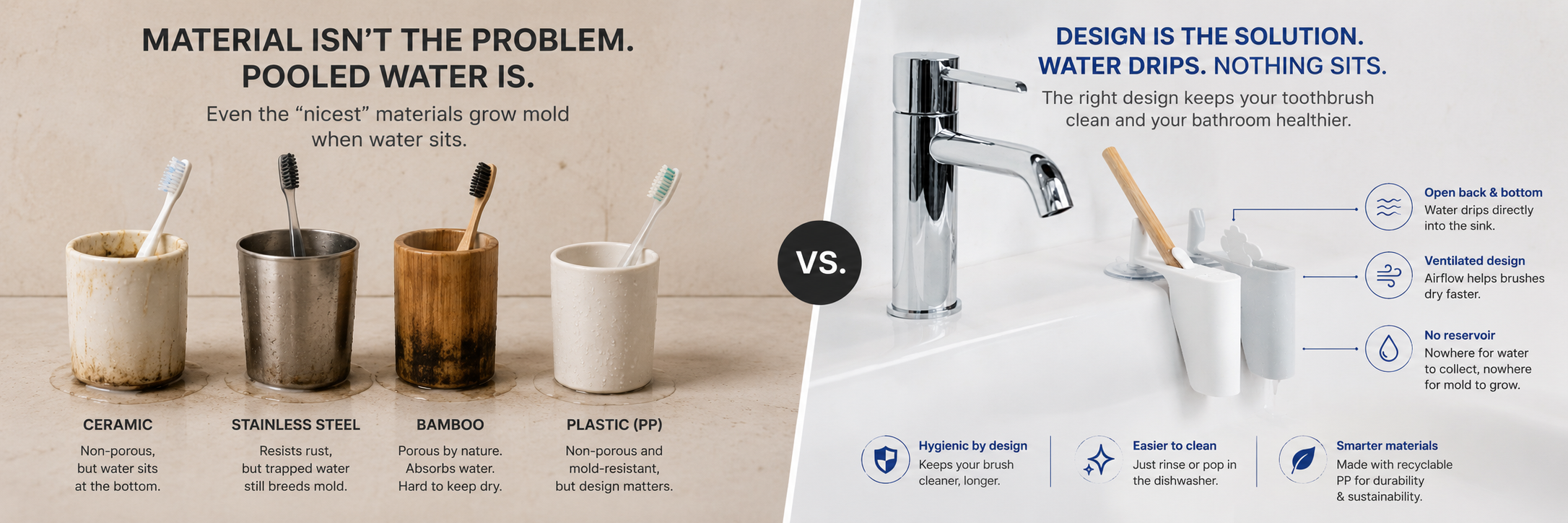
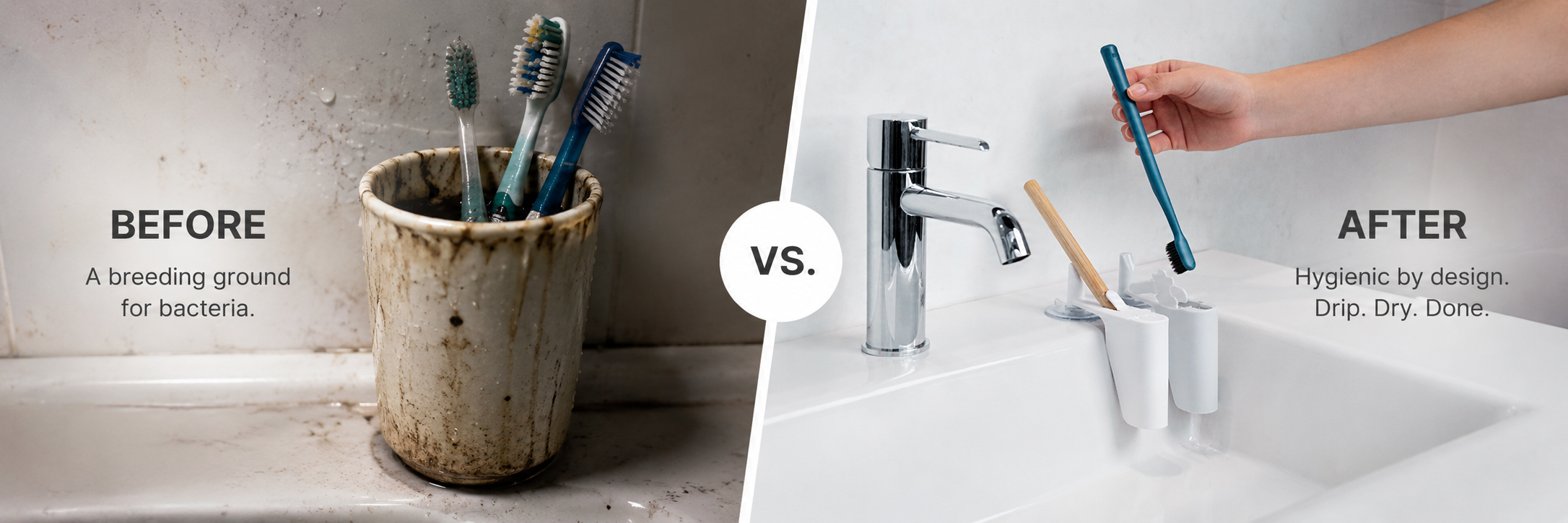
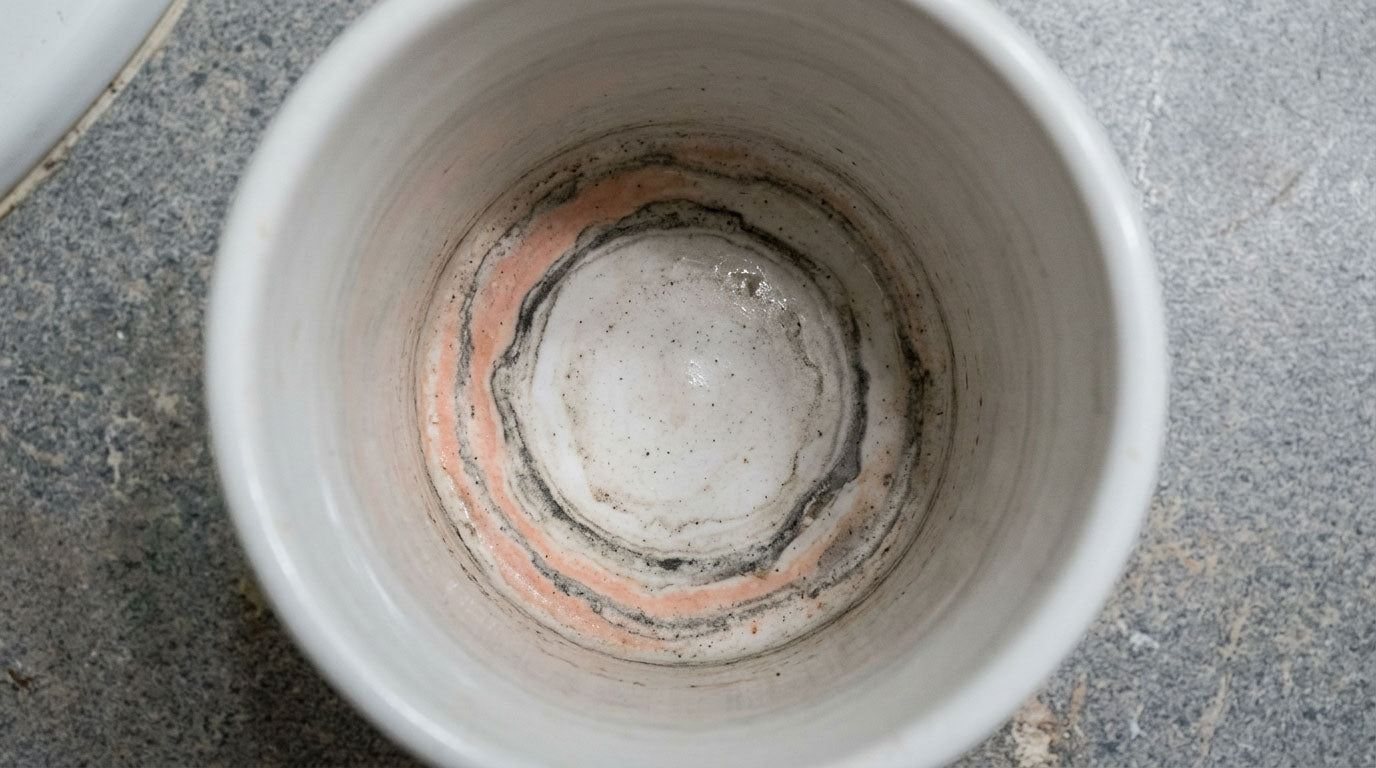
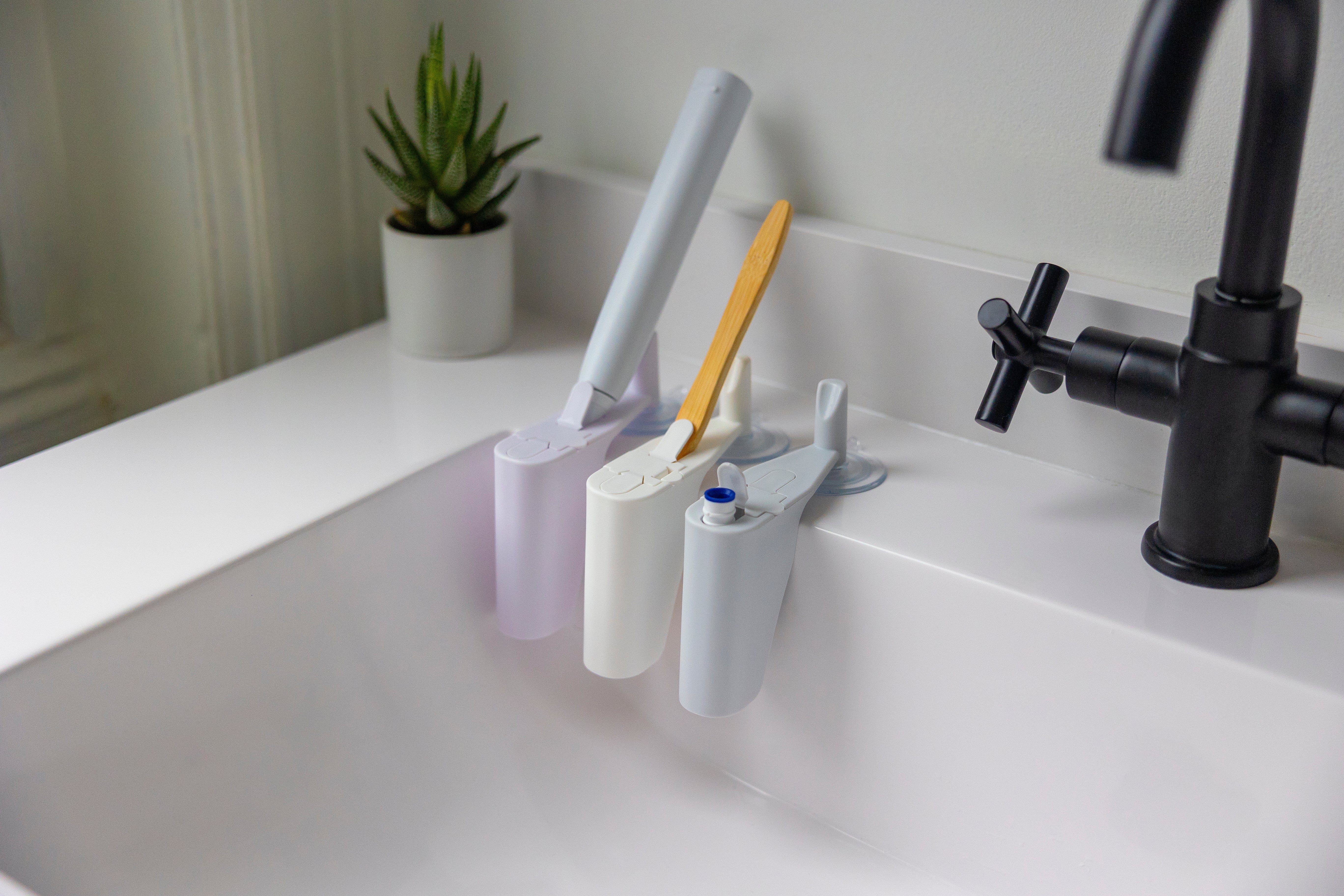
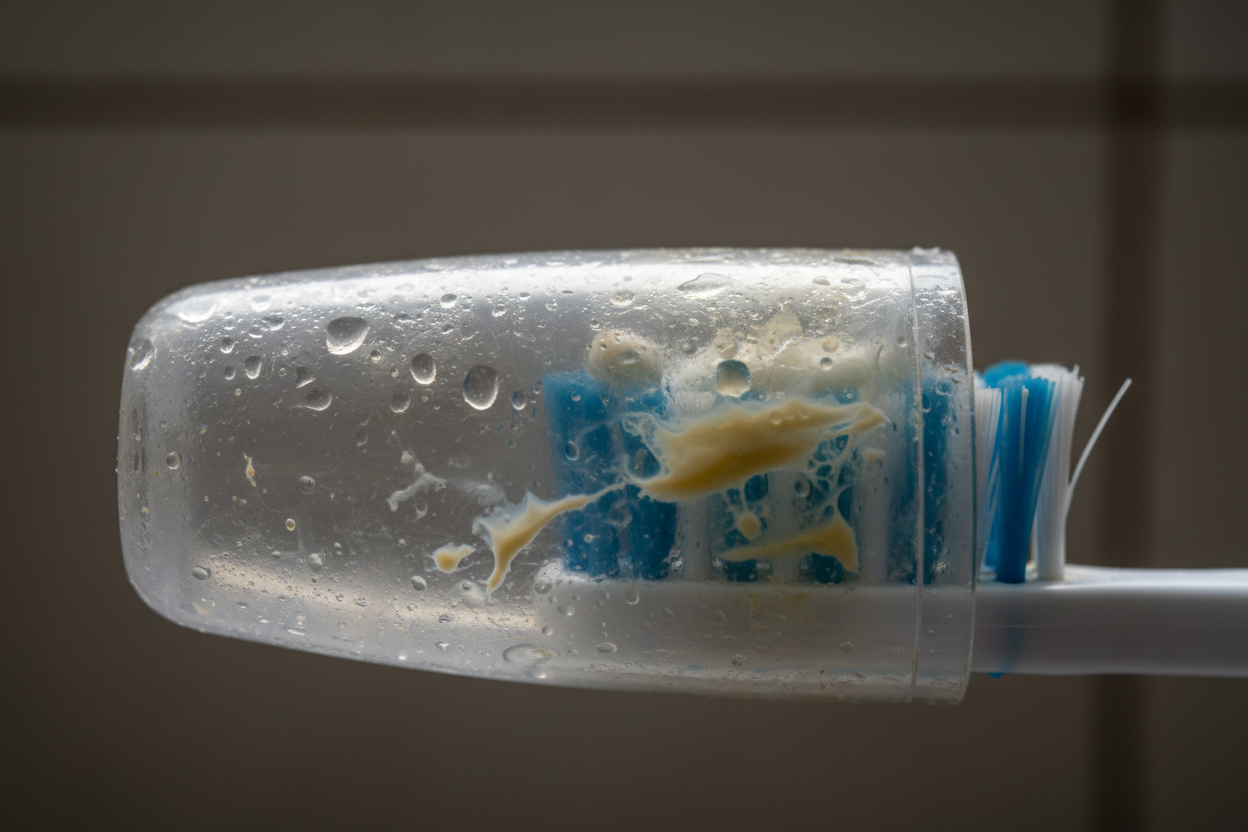
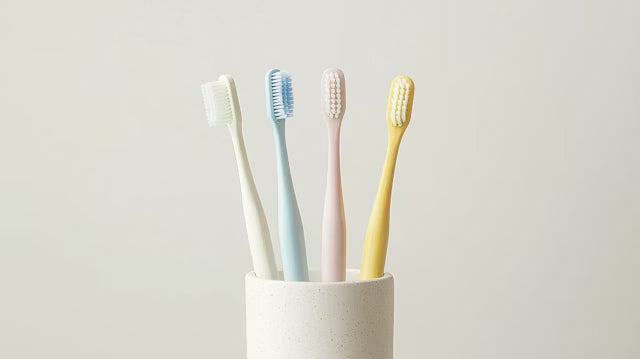
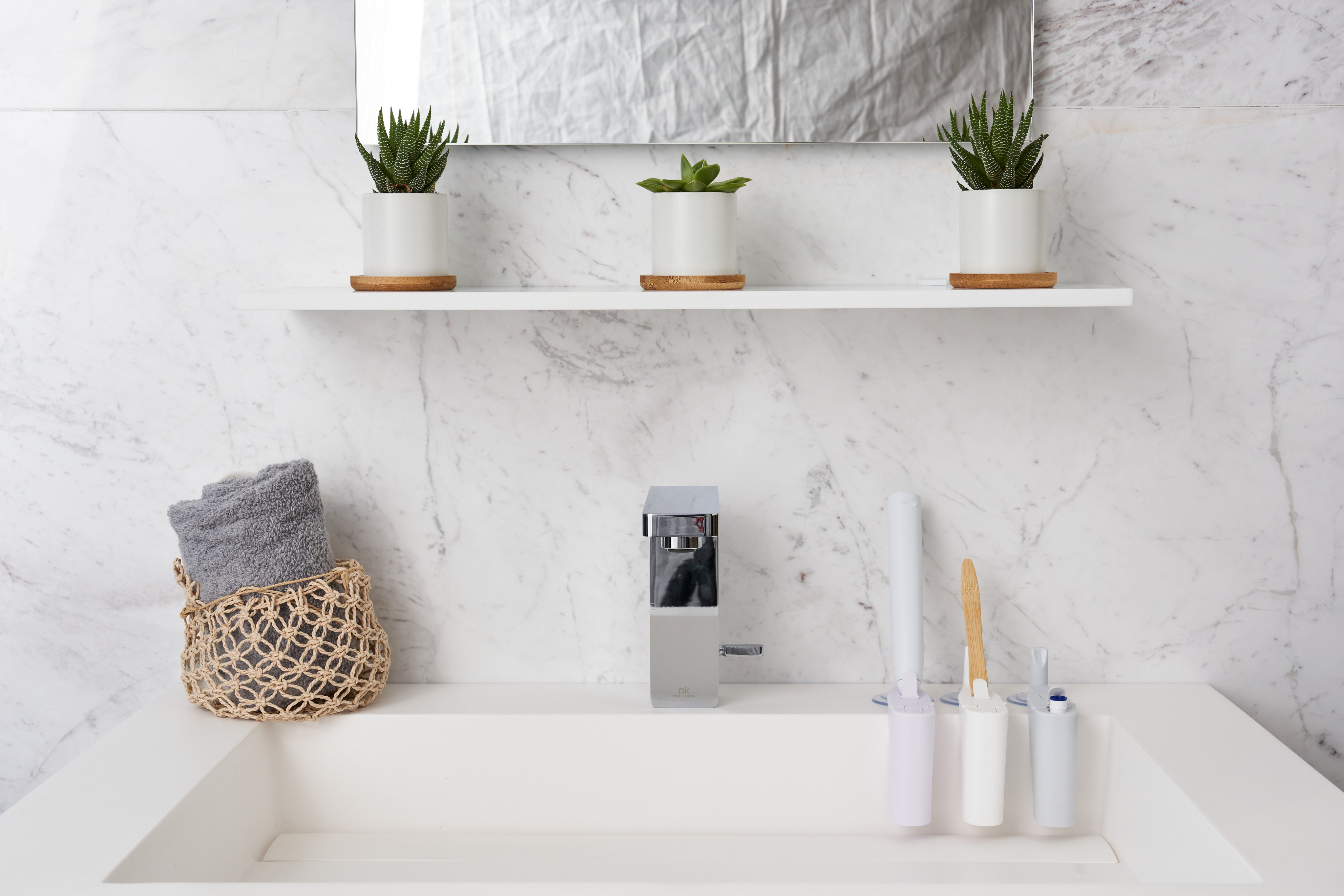
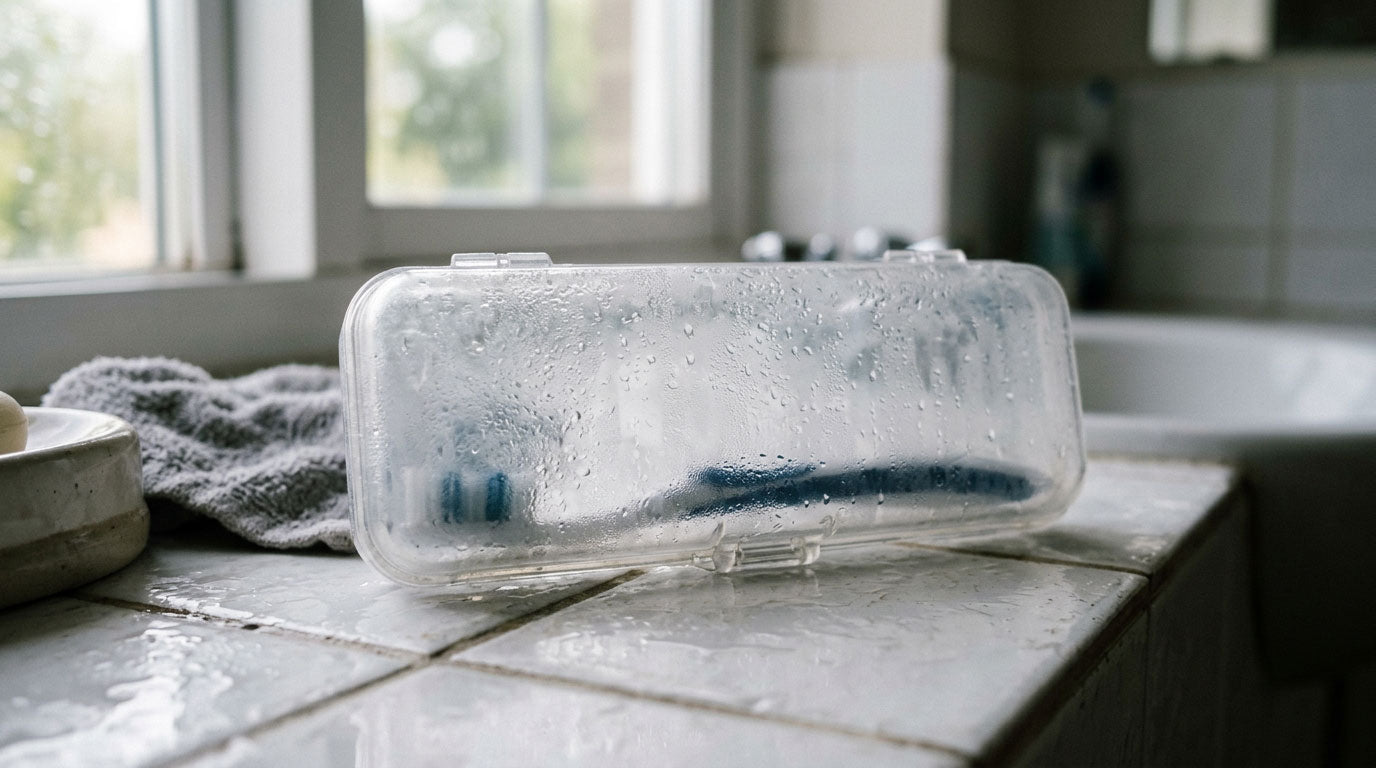



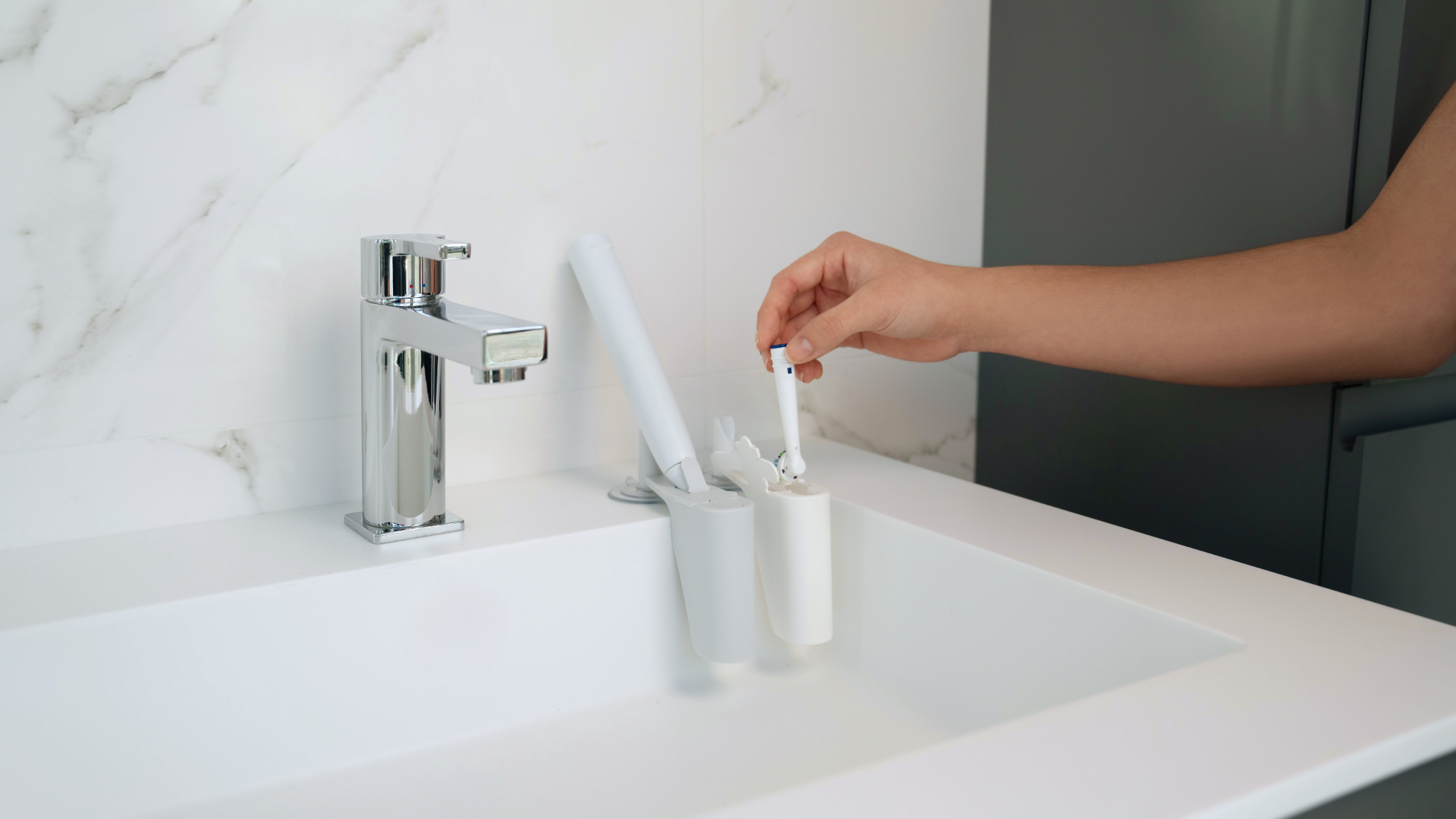
I'm embarrassed to tell you how gross my toothbrush holder was. A cup or a cup-style with reservoir still gets icky every day. This nook changes all that. This is the product you need.
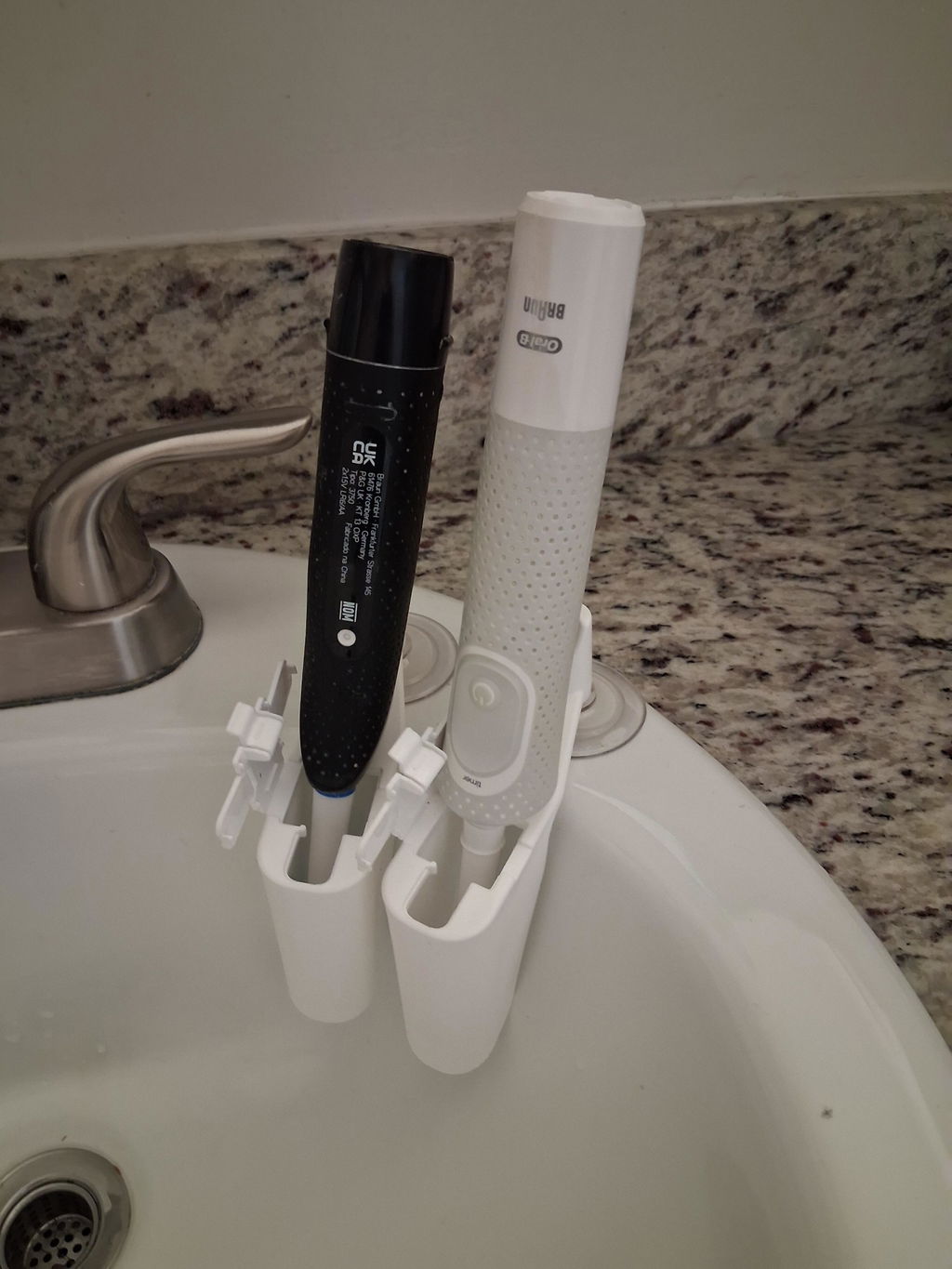
Really pleased — works as intended and supports my quite-heavy older model electric toothbrush! Appreciate that this is made in USA and the charitable component of each purchase.
Love my nook! It's so nice and functional too. Been looking for the perfect way to keep my toothbrush clean and here it is.
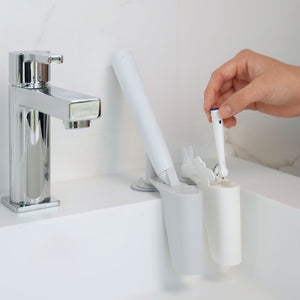
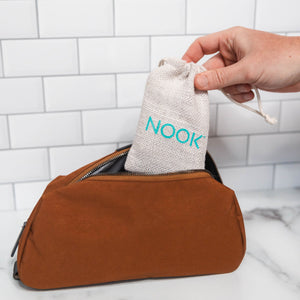
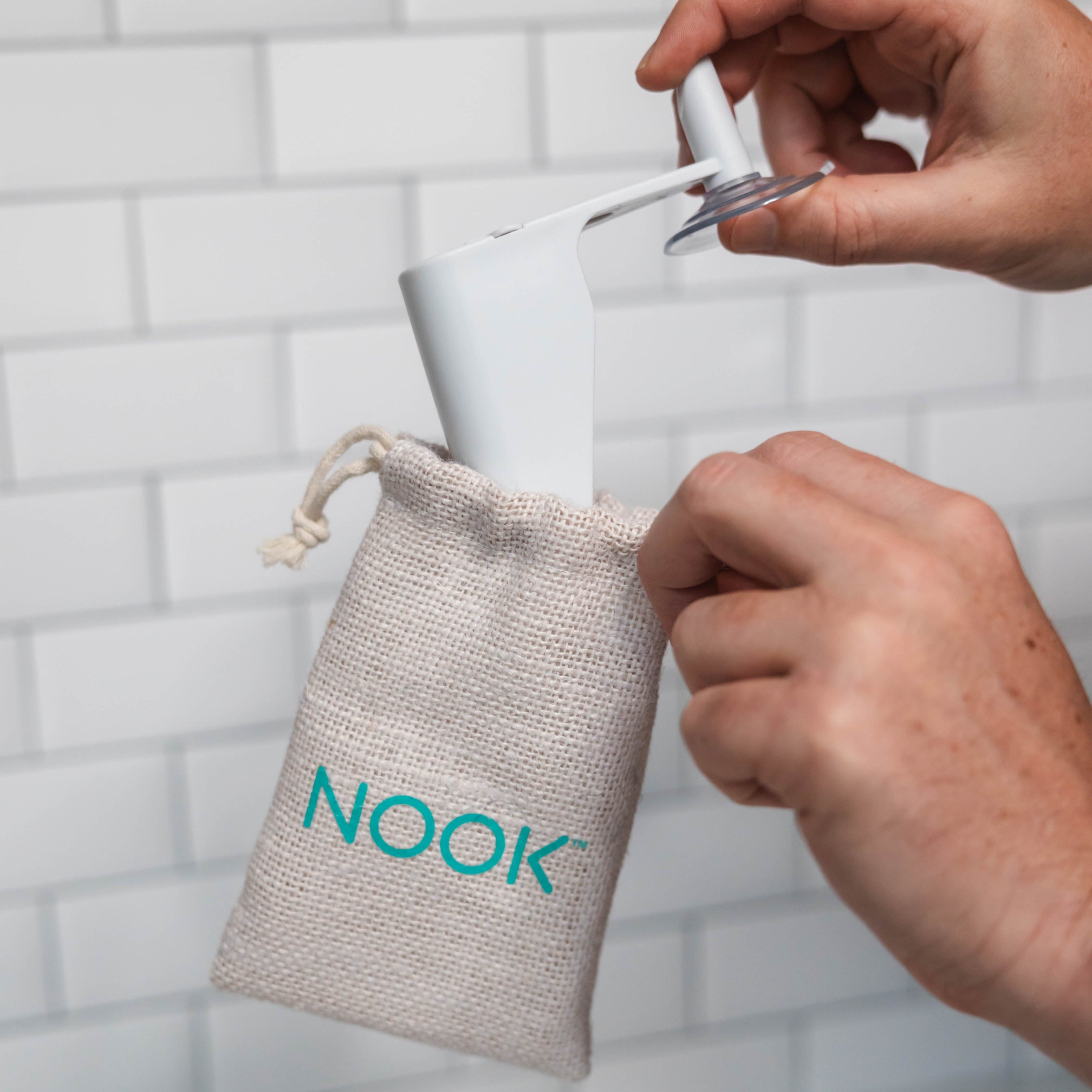
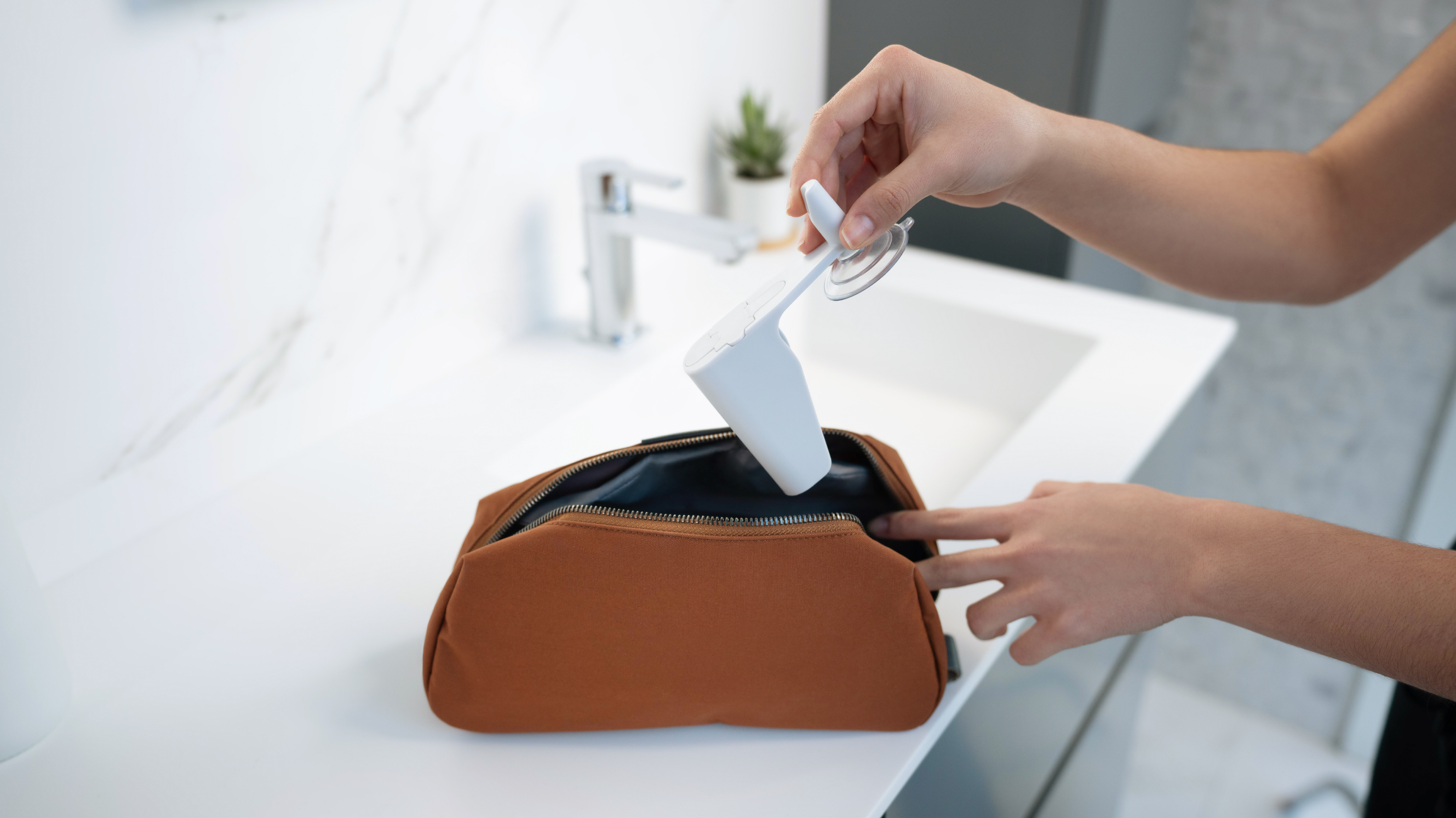
For years I've been looking for toothbrush storage that isn't messy or risks germs, and this is a travel-friendly and versatile solution that can fit different sized brushes and brush heads. It's easy to install, use, and remove if you need to travel. Not to mention that it helps clear up counter space. Highly recommend!
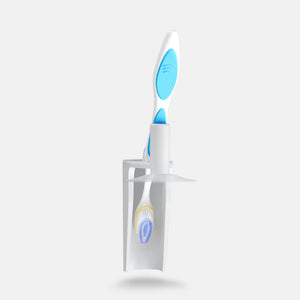
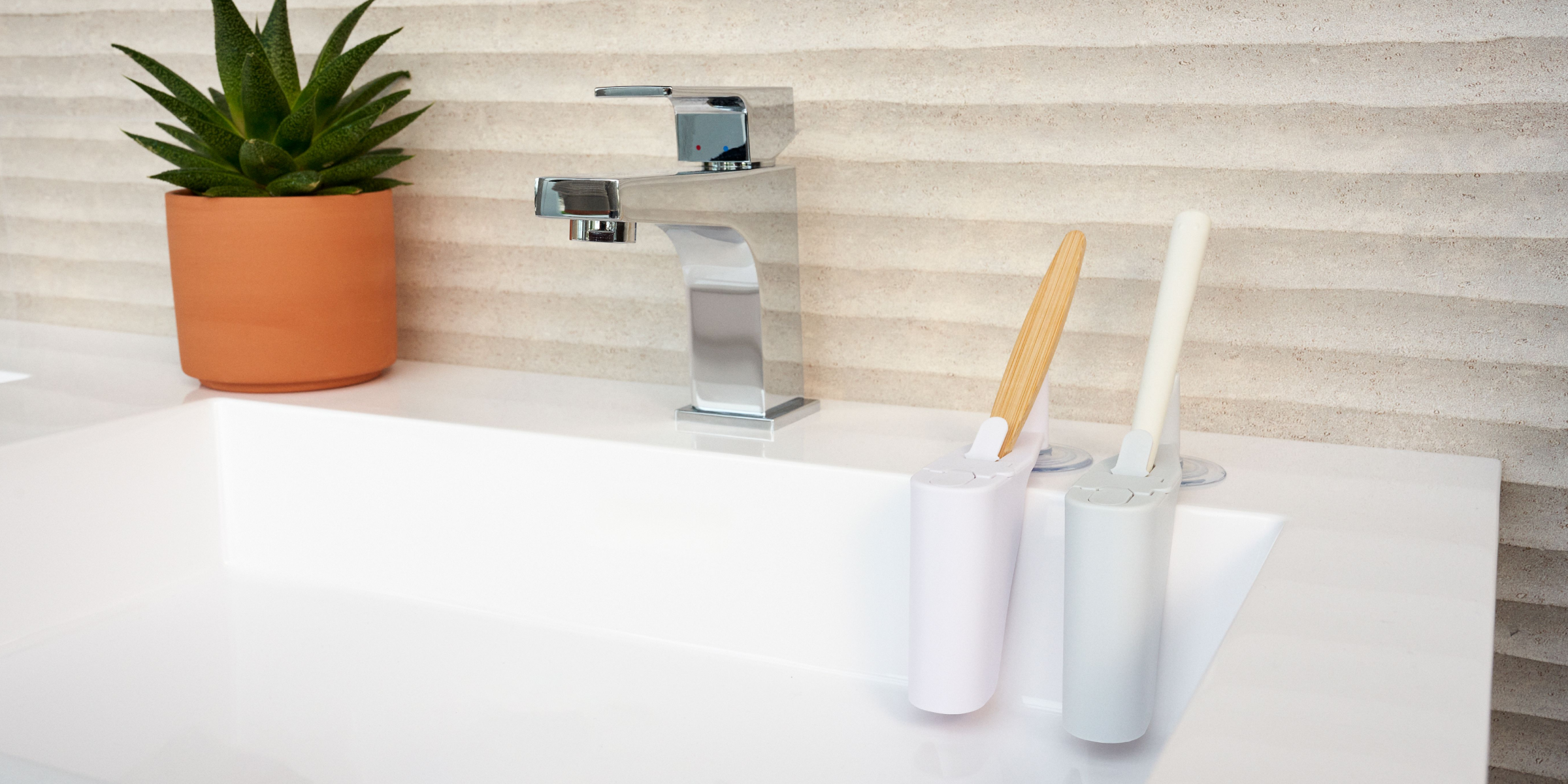
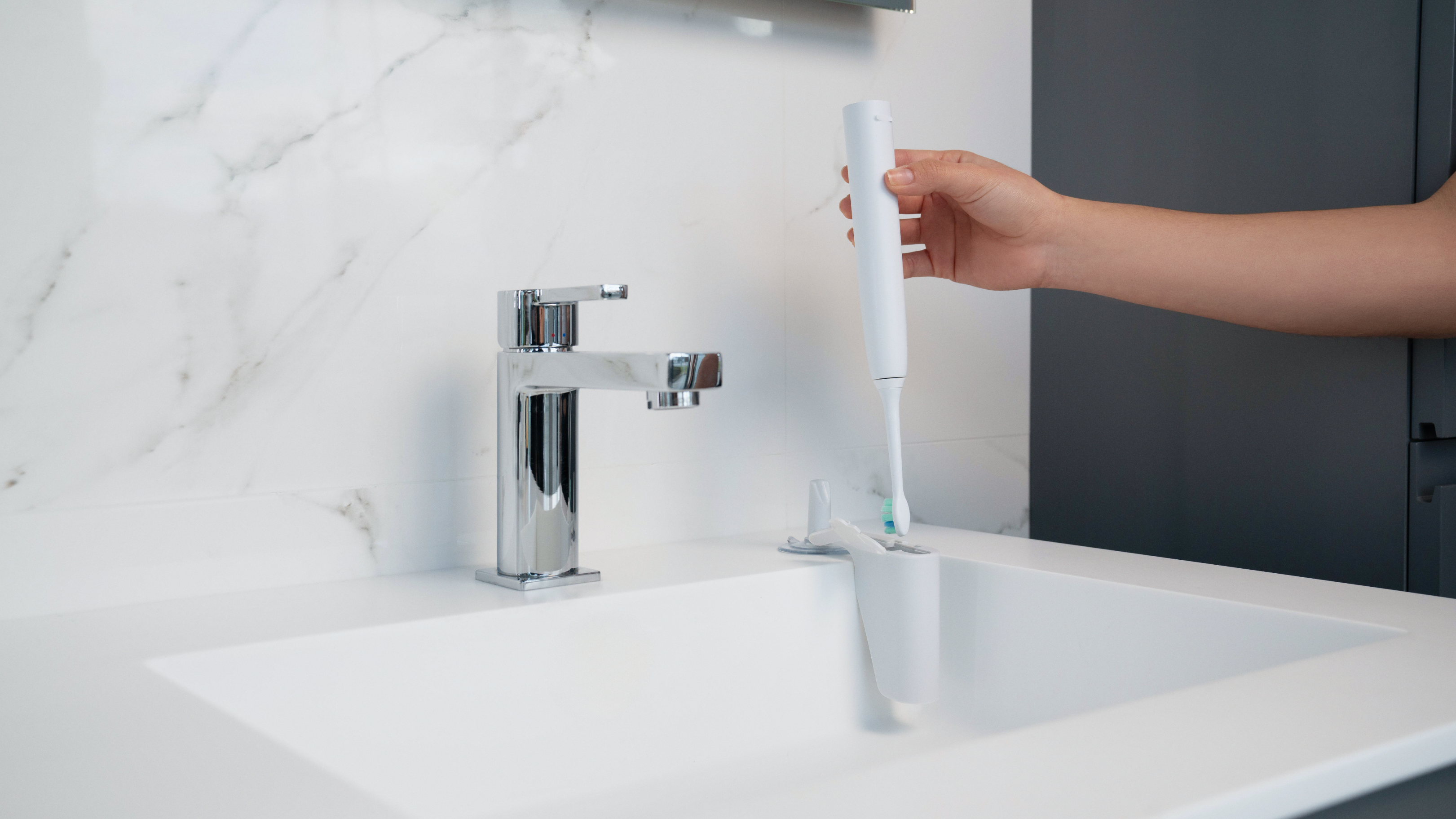
This product solved a problem for me - trying to keep my toothbrush clean in a bathroom. I love how the toothbrush hangs upside down, the bristles face the sink but don't touch it, and the whole top of it is covered. It's the type of product you ask yourself "Why didn't I think of this?".