

Are UV Toothbrush Sanitizers Actually Worth It? | NOOK
UV toothbrush sanitizers have a clear appeal. You put your brush in, UV-C light runs for a few minutes, and the bacteria are gone. It’s a clean, high-tech solution to a real problem.
The reality is more complicated.
What UV sanitizers actually do
UV-C light at the right wavelength damages the DNA of bacteria, viruses, and fungi, preventing them from reproducing. In controlled lab conditions, UV toothbrush sanitizers can reduce the bacterial count on bristles significantly, sometimes by 99% or more.
That’s a real effect. The question is what it means in practice.
What they don’t do
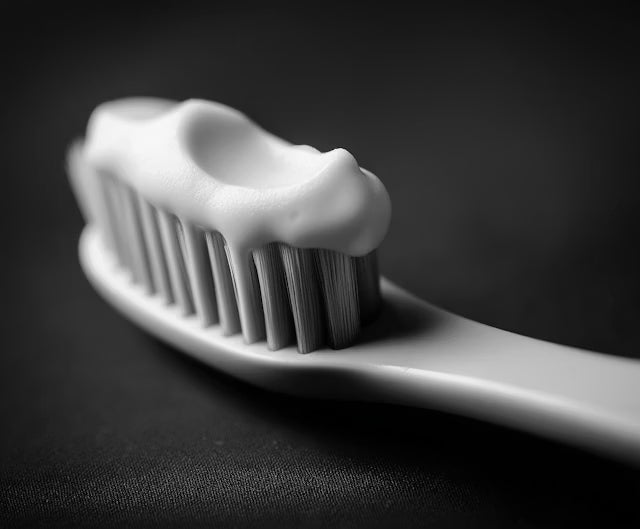
UV light travels in straight lines. Toothbrush bristles are dense and closely packed, which means the interior bristles sit in the shadow of the outer ones. The light can’t reach everywhere it needs to. Lab tests showing high reduction rates are run under ideal conditions with direct exposure. Real-world results are lower.
They also don’t address moisture. A brush that goes into a UV sanitizer wet comes out sanitized but still wet. If the unit doesn’t actively dry the brush, the bristles are damp when you put it away, and bacteria from the surrounding environment can move back in fairly quickly.
And they don’t change how often you need to replace your brush. The ADA recommends swapping it every three to four months, or sooner if bristles are frayed. A sanitized brush with worn-out bristles still needs to go.
The cost question
UV sanitizers run from around $15 for a basic clip-on to $60 or more for countertop units that charge and sanitize at the same time. The better ones require charging, have bulbs that lose effectiveness over time, and need to be cleaned themselves.
For most people, that’s a real investment for an incremental improvement on top of hygiene habits that cost nothing.
What actually solves the problem
The main toothbrush hygiene issue isn’t bacteria during use. It’s what happens between uses: the brush stays wet, sits in a humid space, and picks up whatever the bathroom air brings in over several hours.
Good storage solves this without a gadget. A holder that positions the brush to dry completely between uses, protects the bristles from direct splash exposure, and doesn’t trap humidity around the head gives you most of the benefit at no ongoing cost.
NOOK is built around this. The brush drip-dries after each use, the shield reduces exposure from the surrounding bathroom, and there’s no enclosed chamber holding moisture against the bristles. No charging, no replacement bulbs, no cleaning the sanitizer. Just a brush that’s dry and protected by the time you use it again.
When a UV sanitizer is worth it
For most people with healthy immune systems and decent storage, the benefit is small.
The calculation changes in specific situations: someone in the household with a compromised immune system, recovering from an illness and wanting extra confidence the brush is clean, or a shared bathroom where cross-contamination is a real concern. In those cases the cost may be justified.
For everyone else: probably not, if you’re already storing your brush in a way that lets it dry. Getting the storage right costs less and solves the same problem these gadgets are working around.
NOOK keeps your toothbrush dry, protected, and clean between uses without any gadgetry. Works with most manual and electric toothbrushes. Shop NOOK →