



5 mistakes you're making with your toothbrush (and how to fix them)
By Brian Gellman, Founder of NOOK
The five most common toothbrush mistakes are all about storage: sealing it in a closed container, leaving it on the counter, keeping it exposed near the toilet, using a holder that traps water, and packing it wet for travel. Each keeps the brush damp or exposed. The fix is the same every time: let it dry.
Nobody really thinks about their toothbrush. You use it, you put it back, you move on. But where you put it back actually matters, and most people are getting it wrong.
Is it bad to store a toothbrush in a closed container?
Yes. Travel cases and closed containers trap moisture.
Why it’s a problem: A damp toothbrush in a closed container grows more bacteria than one left to dry in open air, according to the American Dental Association. In a sealed case, it also stays wet much longer.
The fix: Let your toothbrush air dry between uses. Don’t seal it up.
Is it bad to leave your toothbrush on the counter?
Yes. Resting your toothbrush flat on the sink or countertop leaves it sitting in residue.
Why it’s a problem: That gunk buildup you see at the base? It’s water, toothpaste, and bacteria pooling over time.
The fix: Store your toothbrush so it can drip dry without sitting in residue.
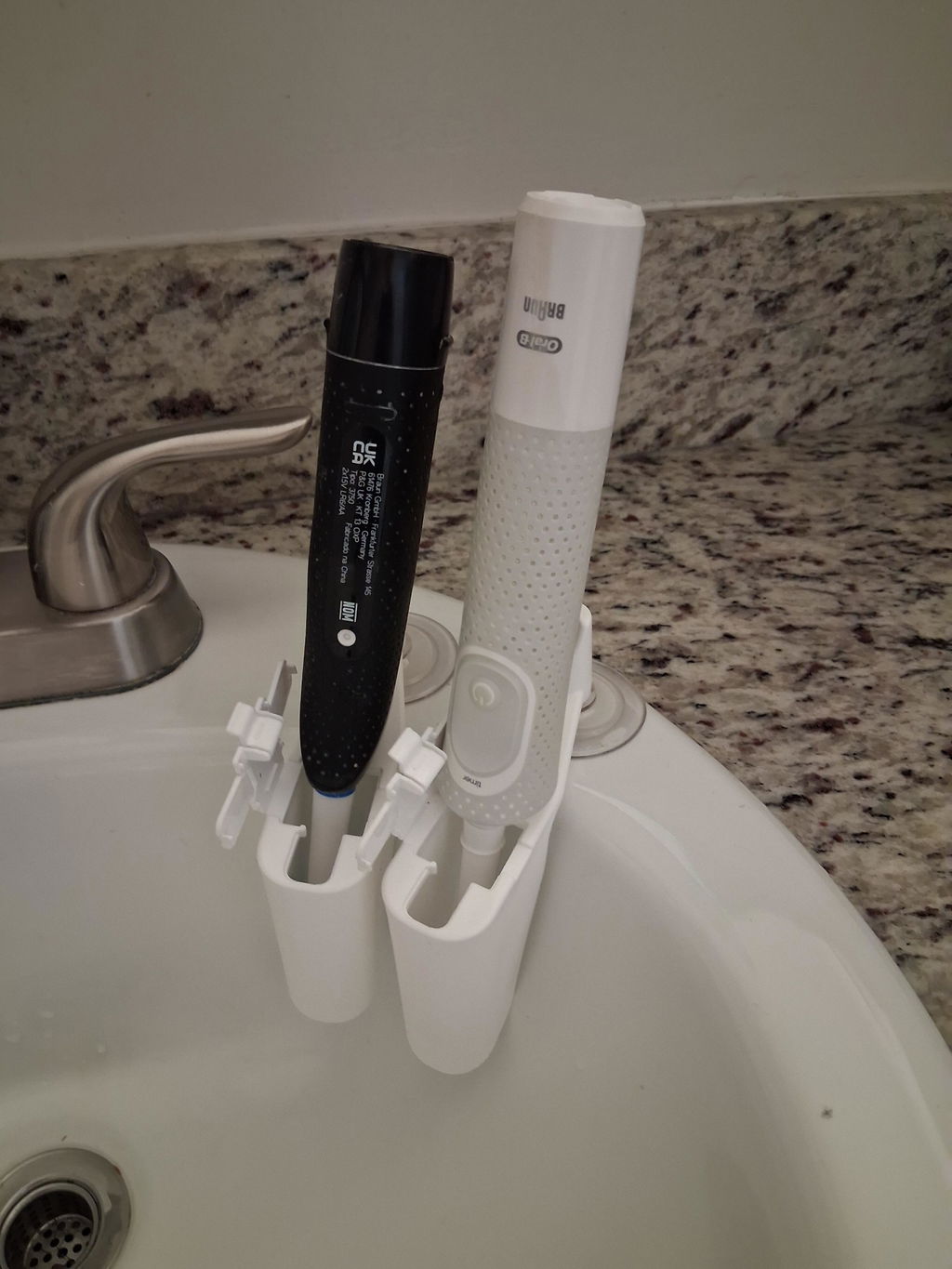
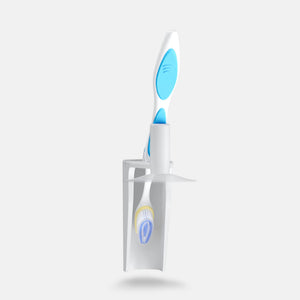
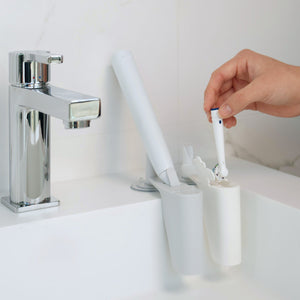
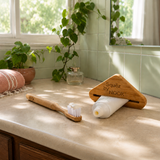
👉 A solution like NOOK is designed to hold your toothbrush upside down and let water drip directly into the sink.
Should you keep your toothbrush away from the toilet?
Yes. Don’t leave your toothbrush exposed near the toilet.
Why it’s a problem: Flushing can send fine droplets into the air, and the ADA notes that toothbrushes can pick up fecal bacteria released when a toilet is flushed. Closing the lid may help, though studies disagree on how much.
The fix: Keep your toothbrush protected and positioned away from exposure, ideally with a barrier or shield.
What kind of toothbrush holder should you use?
Use a holder that drains water away instead of collecting it. Traditional holders trap water at the bottom.
Why it’s a problem: Many holders collect water at the bottom and don’t let air reach the bristles. A holder that stays damp is an easy place for bacteria to grow, so it needs regular cleaning.
The fix: Look for a holder that:
- Allows airflow
- Prevents water buildup
- Keeps the brush elevated and clean
👉 This is exactly why NOOK was created: to solve these everyday hygiene issues with a simple, functional design.
How should you store a toothbrush when you travel?
Let it dry. Don’t throw a wet toothbrush into a bag or use a sealed travel cap.
Why it’s a problem: A wet toothbrush in a closed space grows more bacteria than one that can air dry.
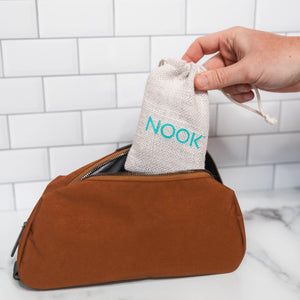
The fix: Use a breathable, hygienic travel solution that allows your toothbrush to dry.
Key takeaways
Your toothbrush is something you use every single day, and small mistakes in how you store it can make a big difference. By fixing these simple habits, you can:
- Improve your daily hygiene
- Keep your toothbrush cleaner
- Upgrade your overall bathroom routine
🛒 Upgrade Your Toothbrush Storage
If you’re ready to fix these mistakes for good, check out NOOK, designed to keep your brush clean, dry, and protected.
👉 https://nooktoothbrushholder.com